Welcome to my blog.

EMDR vs. Talk Therapy: What's the Difference and Which One Do I Need?
Not all therapy works in the same way. This post breaks down what EMDR and Talk Therapy are, so you can decide what you need to heal.

Shame vs. Guilt: Understanding the Difference
Shame and guilt often get confused as the same emotion, but there are some important distinctions between them. Learn how to recognize and distinguish shame from guilt, and how to work with these emotions instead of getting pushed around by them.

Childhood Emotional Neglect: The Hidden Trauma
You don't need a bruise to prove your childhood left a mark. Childhood emotional neglect is one of the hardest wounds to recognize, because nothing happened. Here's what it actually looks like, why it's so easy to miss, and how healing begins.

Anxious Attachment in Friendships: It’s Not Just a Romantic Relationship Thing
Maybe you’ve heard of attachment styles in romantic relationships, but never even considered that it could impact your friendships. If you’ve been feeling anxious or insecure with your friends, it’s possible your attachment style could be to blame. This blog breaks down what it looks like, where it comes from, and how to move toward feeling secure in the friendships you care about most.

High-Functioning Anxiety: When You Look Fine But Feel Like You're Falling Apart
You're meeting deadlines, showing up, and keeping it all together, but inside, your mind is never really quiet. The worry is always there, just underneath the surface. If your anxiety looks like success but feels like exhaustion, you might be living with high-functioning anxiety.

When Summer Feels Heavy: Understanding Seasonal Affective Disorder in Houston
Every year around June, I start hearing a version of the same thing in my office: "I don't know what's wrong with me. I should be fine. It's summer." But here in Houston, summer doesn't always feel like freedom and fun. For a lot of people, it feels heavy, isolating, and just plain depressing. If that resonates, you might be experiencing Summer SAD.

What Is CBT (Cognitive Behavioral Therapy)? Learning to Work With Your Thoughts Instead of Against Yourself
CBT is a practical, research-backed approach that helps you understand, and change, the connection between your thoughts, feelings, and behaviors. If you feel like anxiety or depression has been running the show, learn how CBT can help.

What Is Acceptance and Commitment Therapy (ACT)? Learning to Live a Life That Actually Feels Like Yours
You don't have to get rid of anxiety, silence your inner critic, or wait until things feel better to start living the life you actually want. ACT therapy offers a different approach rooted in acceptance, values, and real change.

What Is IFS Therapy? Getting to Know Your Inner World
What if the parts of you that feel most frustrating, the inner critic, the people-pleaser, the one that shuts down, weren't problems to fix, but protectors trying to keep you safe? Internal Family Systems (IFS), changes the way we understand and relate to those parts of ourselves, leading to a deeper healing. This blog breaks down what IFS is, how it works, and why it might finally help you when other therapy has failed.

What is the Window of Tolerance?
If you’ve ever felt like you can’t control your emotional responses, your nervous system may be outside its window of tolerance. This post breaks down what that means and how to support yourself more effectively.

What Is Family of Origin Trauma?
Family of origin trauma refers to the lasting impact of early family experiences on how you think, feel, and relate to others. This post breaks down what it is, common signs, and how it can affect you into adulthood.

Signs You Might Benefit From Trauma Therapy
Not all trauma is obvious. Many people notice patterns in their relationships, emotions, or reactions that trace back to earlier experiences. This post explores common signs that trauma therapy may be helpful and how healing work like EMDR can support lasting change.

What is EMDR Therapy?
Curious about EMDR or wanting a clearer understanding of the process? This post walks you through what EMDR therapy is, how it supports healing, and what sessions typically look like.
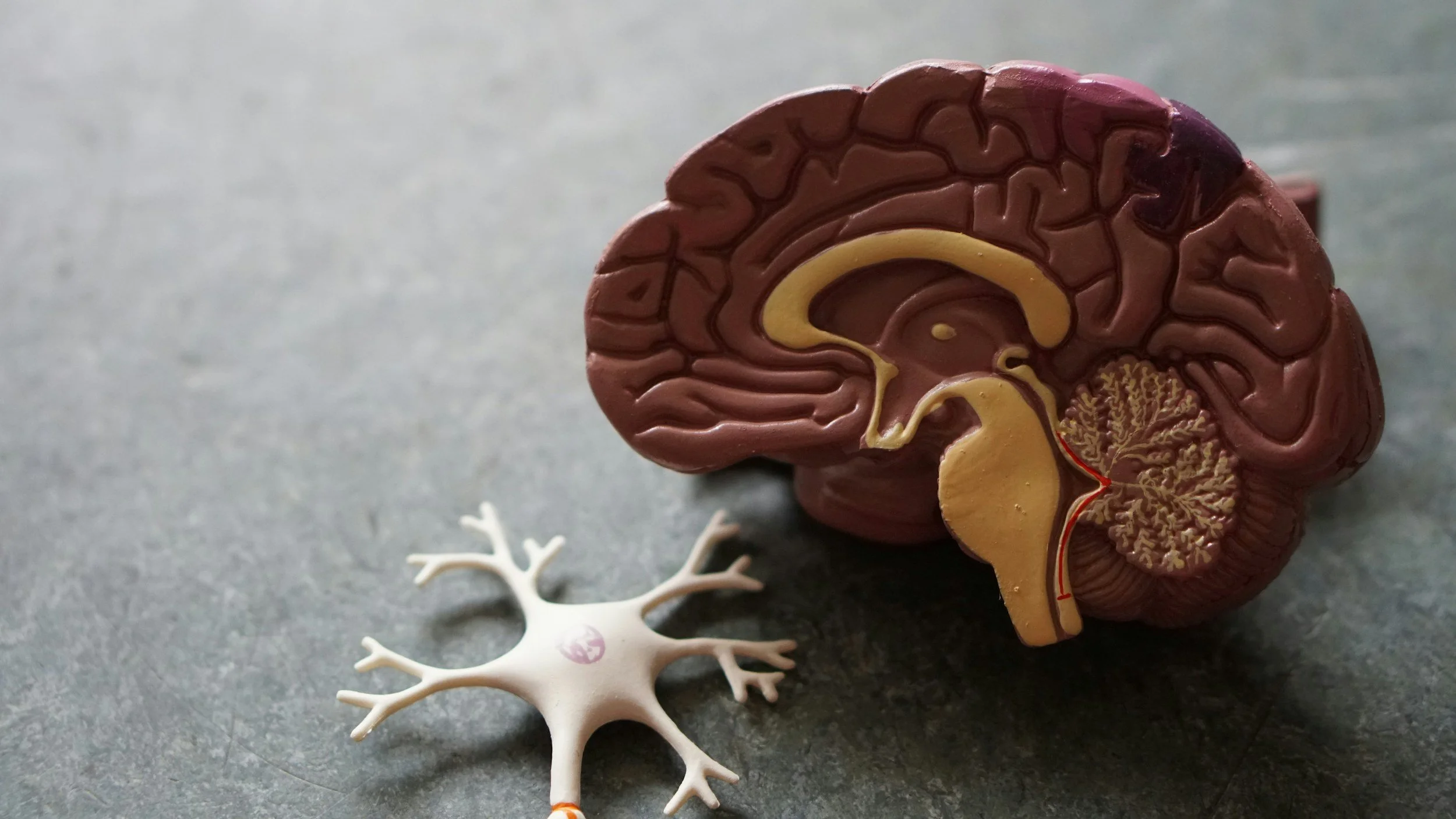
My Favorite Tools for Nervous System Regulation
Nervous system regulation comes up constantly in my work with clients. Many people already understand their patterns, their trauma, and their anxiety, but their bodies still feel stuck in survival mode. This post pulls together the tools I most often share in session to help regulate the nervous system, both in the moment and over time.

How Trauma Lives in the Body: Understanding the Physical Impacts
Trauma doesn’t just affect your thoughts or emotions. It can also have a lasting impact on the body. From chronic muscle tension and gut issues to sleep problems and fatigue, many people feel the physical impacts of trauma long before they have the words to describe what happened. Understanding these signs can help you replace self-blame with compassion and start supporting your body’s healing.

Disorganized Attachment: Understanding the Push-Pull Pattern and How to Heal
Disorganized attachment feels like wanting love and fearing it at the same time, a constant push-pull between closeness and self-protection. This article explains what disorganized (fearful-avoidant) attachment is, how it develops, and how it impacts relationships. You’ll also learn practical ways to calm your nervous system, understand your triggers, and move toward secure, healthy connections.

Understanding Avoidant Attachment: Why Pulling Away Feels Safer Than Getting Close
Avoidant attachment makes closeness feel risky. Learn how it develops, how it affects relationships, and ways to build love without losing independence.

Understanding Anxious Attachment: What It Is, Where It Comes From, and How to Heal
Anxious attachment can feel like living on an emotional rollercoaster, craving closeness yet fearing rejection at every turn. This post takes a deep dive into where anxious attachment comes from, how it shapes relationships, and practical ways to heal and build the secure connections you deserve.

What Are Attachment Styles? Let’s Talk About How You Relate in Relationships
Your attachment style is the lens through which you experience connection, trust, and emotional safety. Whether you tend to pull away, cling tightly, or feel calm in relationships, those patterns usually trace back to early life experiences. In this post, we’ll explore the four main attachment styles (secure, anxious, avoidant, and disorganized) and how understanding yours can help you build healthier, more fulfilling relationships.

Fight, Flight, Freeze, and Fawn: A Therapist's Guide to Understanding Your Trauma Responses
Ever wondered why you shut down in conflict, people-please in relationships, or overthink everything? This blog breaks down the four main trauma responses (fight, flight, freeze, and fawn) and how they show up in real life.